
Making investment trade-offs understandable.
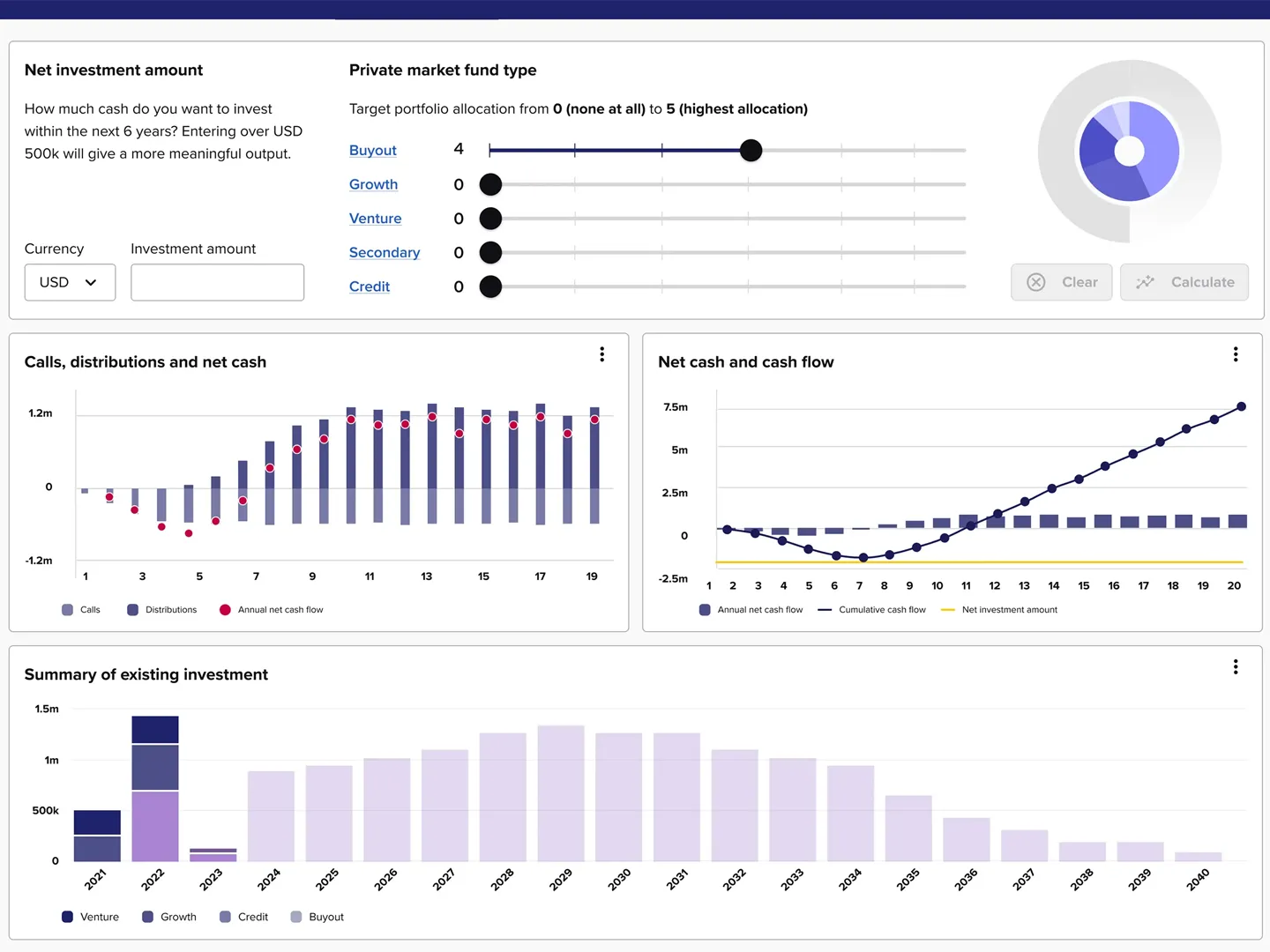
Could a non-specialist build a portfolio and understand the numbers?
Try thisMove a slider and watch the whole cash-flow picture move.

Working prototypes for customer portals, internal tools and the complex workflows behind them. Put the difficult decisions in front of real people before you commit the engineering time.
A first testable build in week one. A fixed quote before we start.

Twenty years solving difficult product problems.Fintech, enterprise software and operational tools.
Experience working with teams at


Selected work
For product teams facing a difficult workflow, an uncertain redesign or a decision engineering shouldn’t have to guess at.
Could a non-specialist build a portfolio and understand the numbers?
Try thisMove a slider and watch the whole cash-flow picture move.
Would fund managers complete the process or go back to email?
Try thisLeave a required field empty and see the workflow catch it.
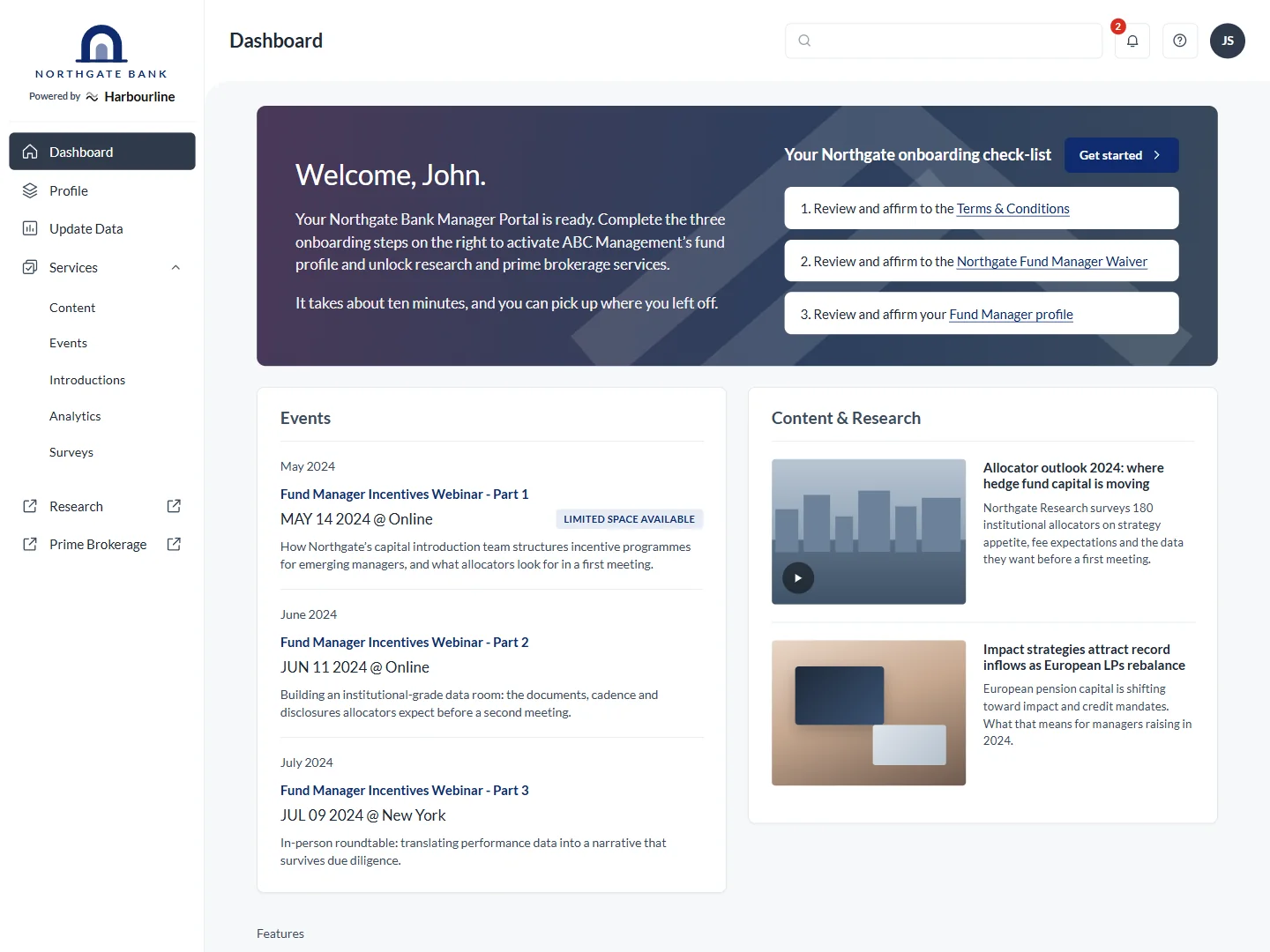
Working examples reconstructed from client projects using synthetic data.
Explore all projects ↗Your designer. Your direct line.
You work directly with the person designing and building your prototype. I’ll show you how we collect feedback, test the difficult parts and turn what we learn into the next version.
Inside: how feedback is collected, how testing runs and what changed as a result.
“Provided a full product design from a bare specification. I’m a developer myself and I must say that working together was a great pleasure.”
Marcin Szamotulski – Engineering Lead
Blockchain infrastructure research
How it works
Small, visible iterations.
You see the work early and help shape what happens next.
01 · Make it tangible
We agree the decision, then I scope the key journey and build something your team can actually use: the loading, empty and error states people skip in a mockup and the keyboard paths they skip entirely. It runs on realistic synthetic data rather than placeholder rows, so people react to the workflow itself.


02 · Find the friction
Your team comments directly on the screens, with a name and a timestamp against each one, so you get a prioritised list by Wednesday instead of a forty-message thread. When testing is in scope, a different group tries the actual journey while you watch where they hesitate, back out or give up.
03 · See what changed
Every Monday you get Footprints: a report on the week just gone for each prototype. Where your team, stakeholders and any outside testers spent their time, what they said and what was changed as a result. Prototype tracking runs on local hardware, not a third-party analytics service. Privacy & analytics.

The work leaves with you.
Built in your design system when you have one. Nothing is locked to my tooling or my accounts.
Clear scope. Fixed quote.
Two ways to get there. We agree the scope, dates and deliverables before work begins.
Make the idea testable.
For teams that need a realistic workflow to review, align around and put in front of stakeholders.
$5,000 starting price, USD
Typically 2 weeks. Dates fixed before we start.
Includes
You bring The decision you need to make, one point of contact and your design system if you have one.
Discuss a prototype sprintTest the difficult assumptions.
For journeys where the cost of getting it wrong makes direct user evidence essential.
$8,000 starting price, USD
Typically 4 weeks. Dates fixed before we start.
Includes
You bring Your project context, a decision-maker and a clear description of the users we need to recruit.
Discuss a tested prototypeStop early. Not right after the first loop? Stop there and pay for that first week only, at a figure quoted during scoping so you know it before anything starts.
Or keep going. Another build, comment, revise loop on the agreed workflow is $1,000, fixed before it starts. Your team reviews it, or users when testing is in scope.
Participant numbers, methods and deliverables are set in your quote. New journeys, further research, design systems, UX audits, build-out and support are scoped separately.
Before we start
Real screens and interactions, available at a URL your team can open. I include the states that matter to the journey, such as loading, empty, error and no permission, so you can test the experience beyond the happy path. It is built to work with a keyboard and a screen reader. Colour contrast is checked against WCAG 2.2 AA, so access problems show up while they are still cheap to fix.
I can put an NDA in place before you share anything. I normally use synthetic or anonymised data and a private, login-protected environment. If your team needs the work inside its own approved stack, we can plan around that.
Each week follows a visible loop: a new build, comments and review, then revisions. I prioritise changes against the agreed scope so the work stays focused on the decision you need to make.
You receive the working prototype and its source, component structure and tokens, plus a recorded walkthrough of the decisions, edge cases and the accessibility choices behind them. We agree any production engineering requirements separately.
That is useful evidence. The goal is to make a better decision before committing more engineering time. We’ll identify what failed, what could change and what is worth testing next.
Project showcase
Enterprise, logistics, internal tools and design systems.
A sample of the work, not the archive.
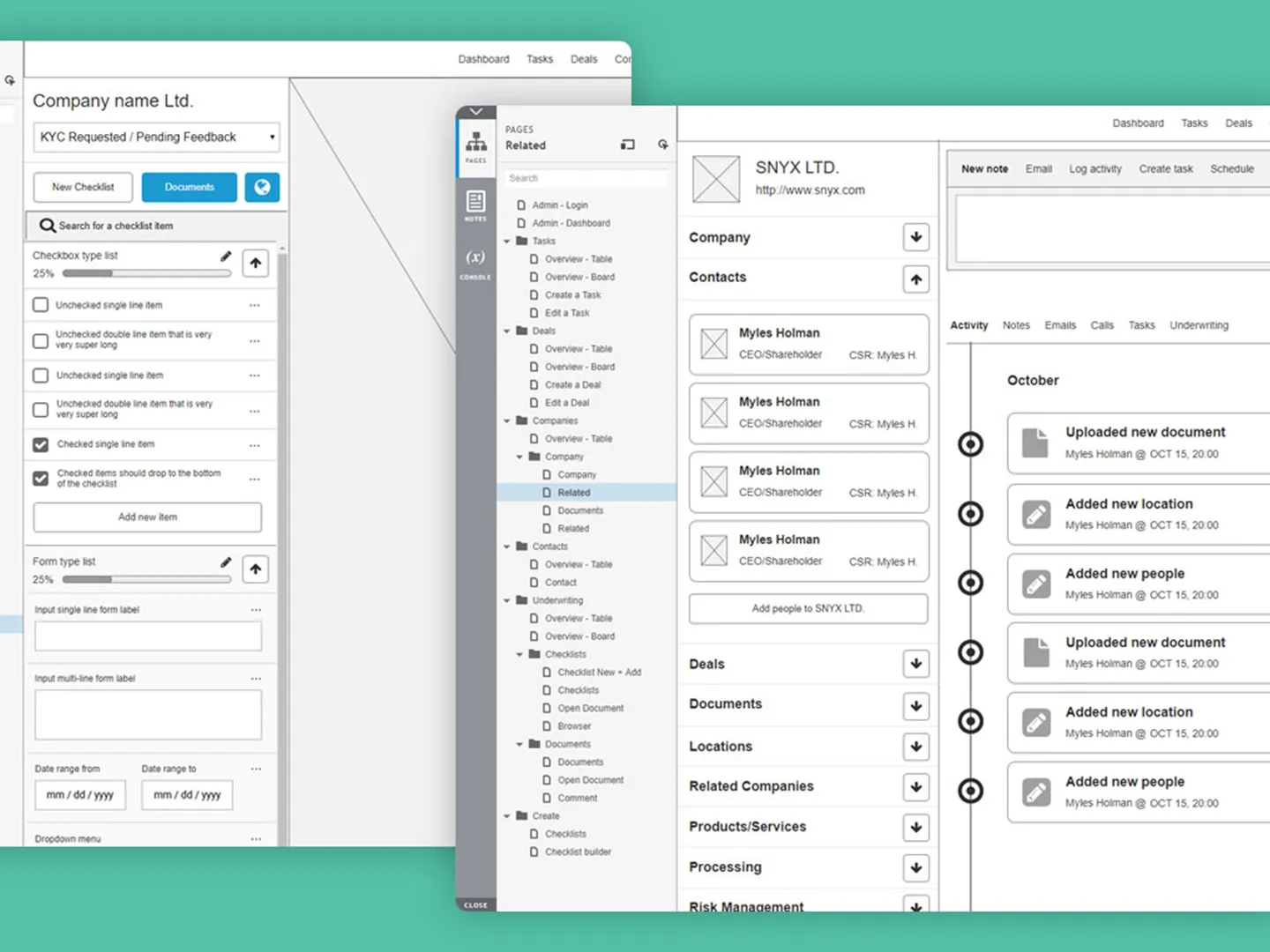
Onboarding and risk assessment for a merchant services provider.
Internal toolsWireframePrototype
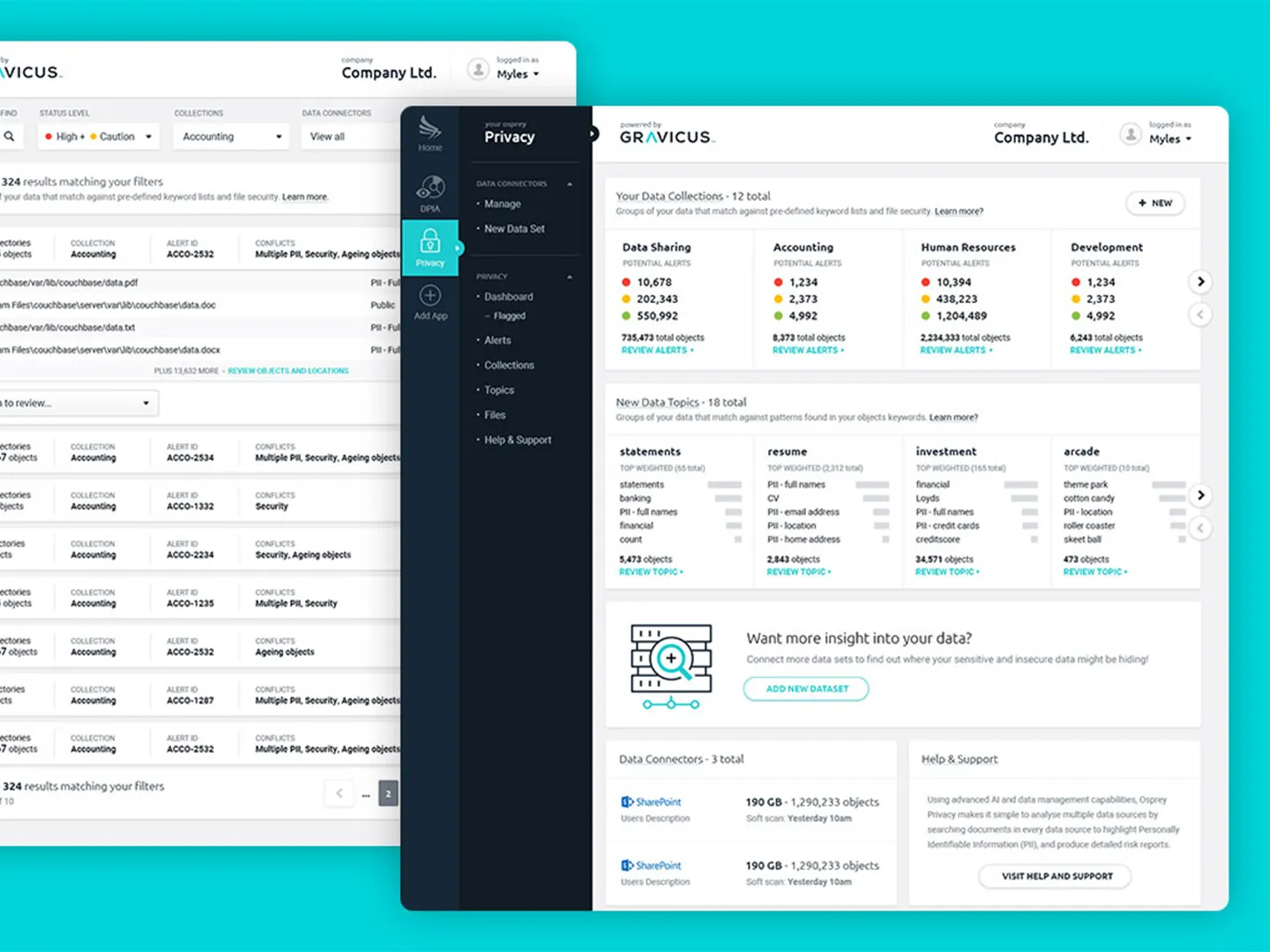
Scan unstructured data, automate GDPR controls and visualize risk.
DashboardData-visPrototype
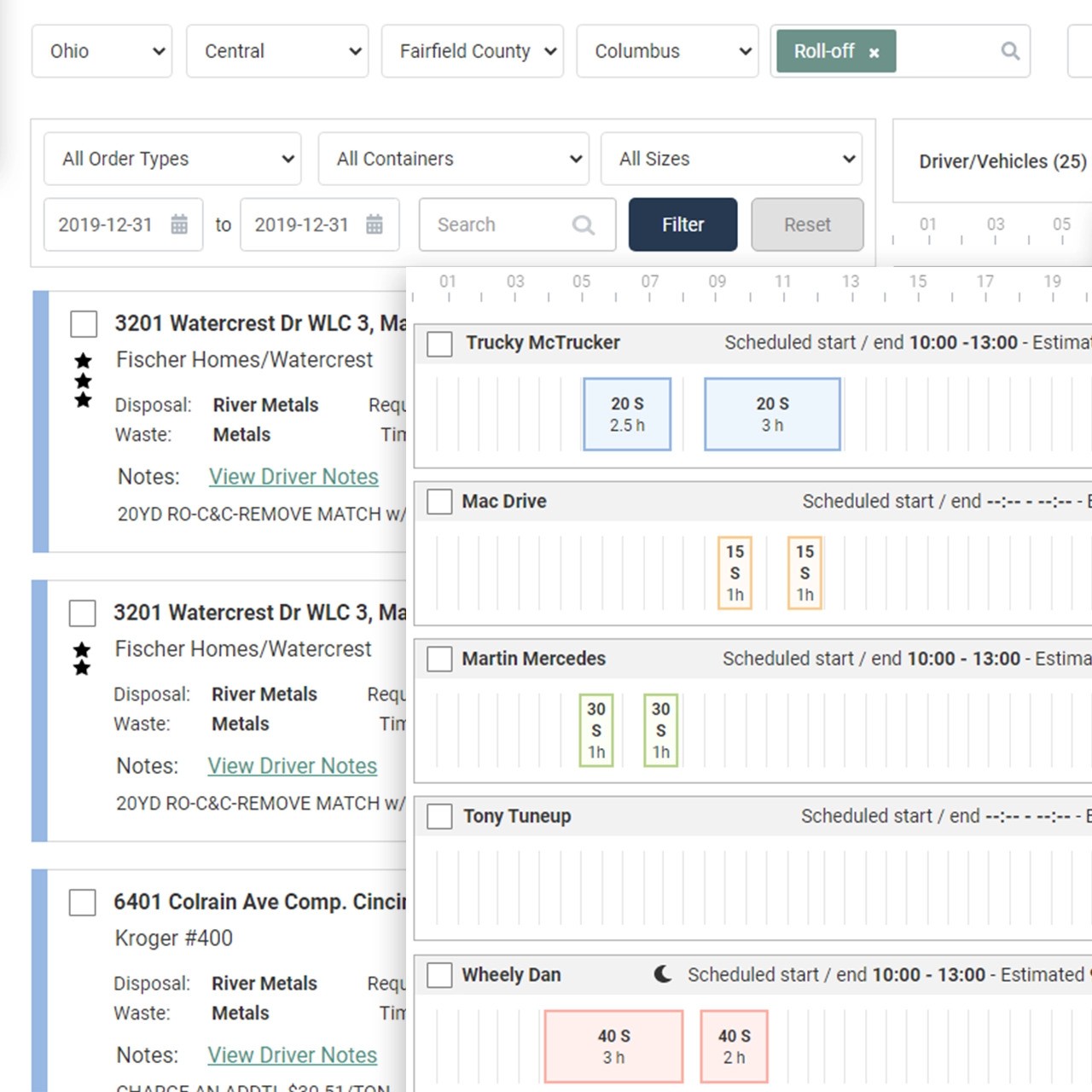
End-to-end dispatch: work orders, driver and vehicle matching.
Enterprise
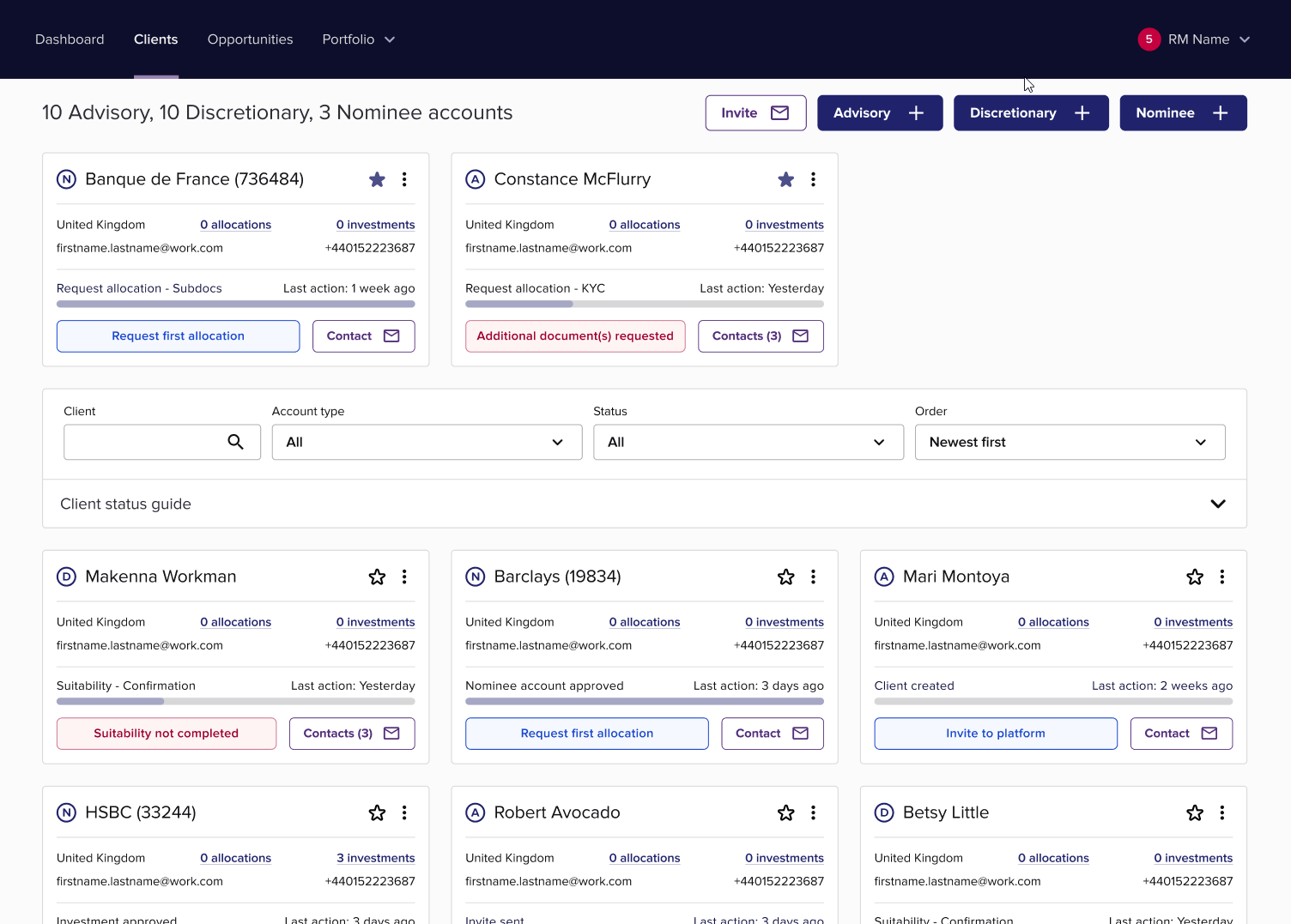
A Kanban-style onboarding tracker for compliance and success teams.
FintechMobile
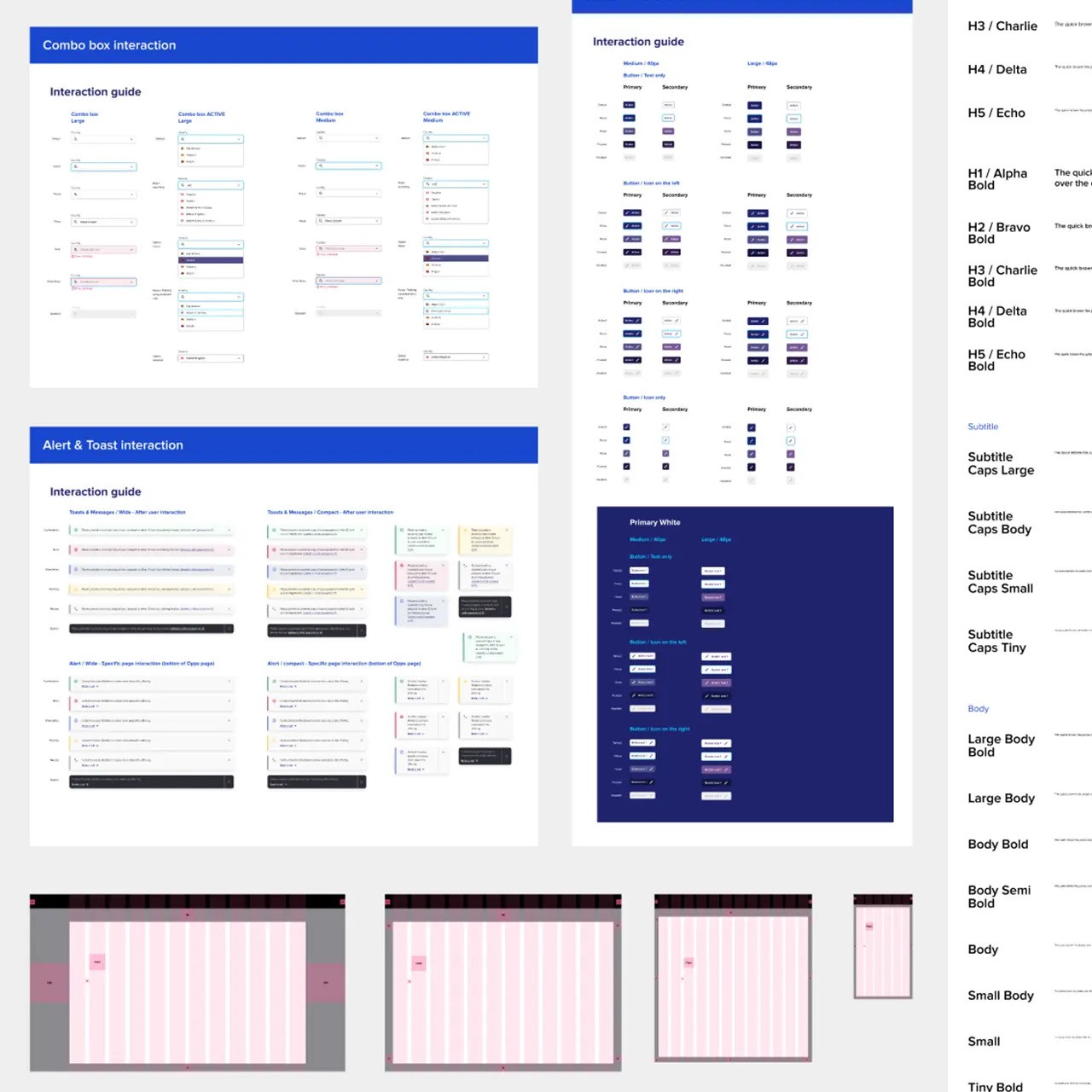
Tokens, components and usage aligned across design and engineering.
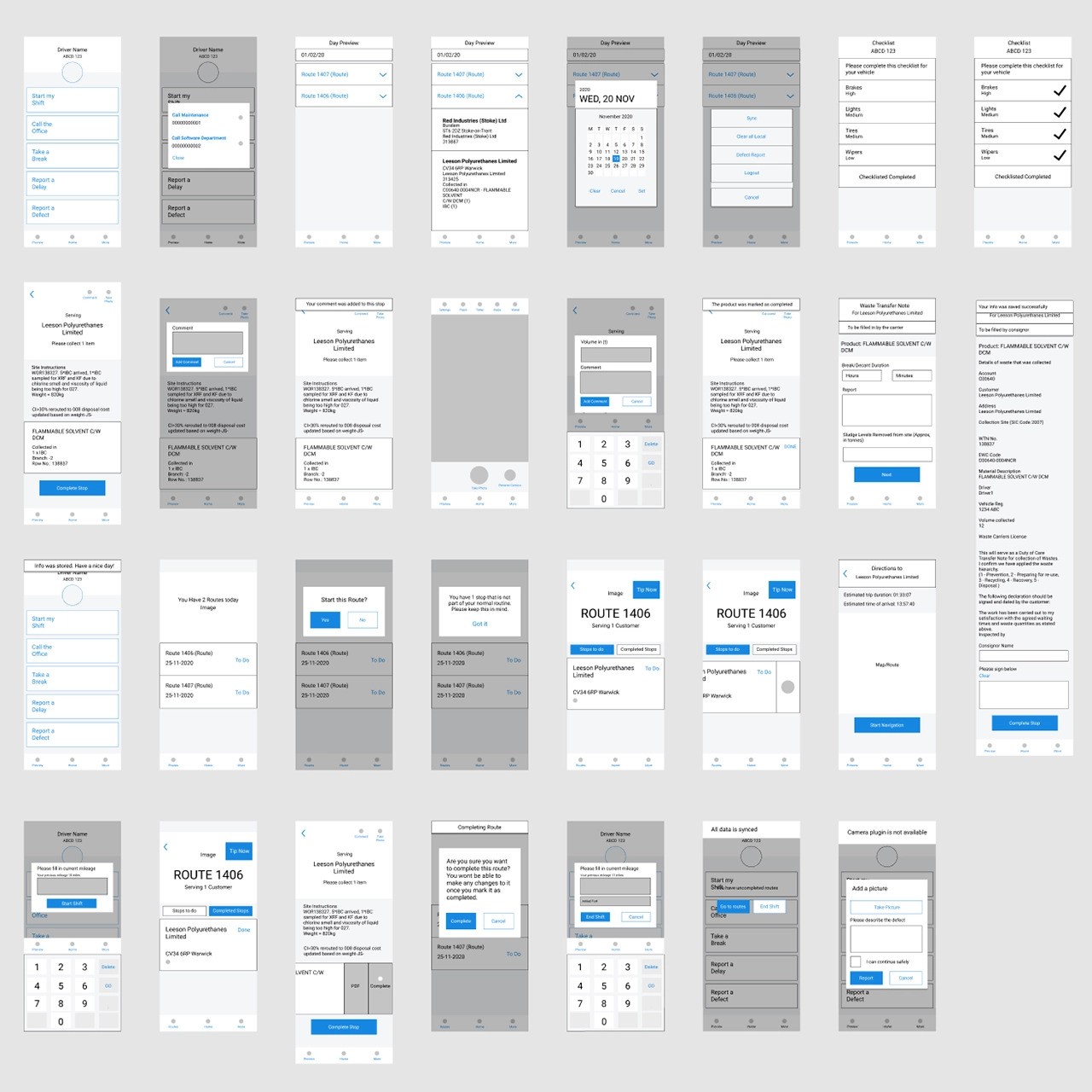
Live driver orders and route management in a native/hybrid app.
LogisticsWireframe
Bring the rough idea, the complicated workflow or the question your team can’t settle. We’ll talk through whether a prototype can help.
A short conversation on Google Meet.
or email [email protected]